


The Allure of Chance: Understanding Attraction to Casinos
The thrill of uncertainty is one of the key factors that draws patrons into casinos. This attraction to chance resonates deeply within human psychology, primarily due to the innate desire for excitement and the potential for instantaneous rewards. When individuals step into a casino, they are enveloped in an atmosphere filled with bright lights, upbeat music, and the sounds of slot machines, all carefully orchestrated to heighten their senses. This sensory overload activates the brain’s reward system, making the space feel electric and exhilarating, pushing patrons to indulge in the experience. Many also explore the new betting sites that complement their casino adventures, as the possibility of winning a jackpot or even just a small victory can create a powerful allure that keeps players coming back for more.
Moreover, the concept of variable rewards plays a significant role in maintaining patron engagement. Unlike traditional rewards that are predictable, the unpredictable nature of gambling creates a psychological phenomenon known as the “gambling rush.” Each time a player spins the reels or rolls the dice, there exists a flicker of hope and potential victory, which can lead to a dopamine release in the brain. This surge of pleasure can become addictive, compelling individuals to return in the hopes of replicating that euphoric experience. The cycle of hope and reward feeds into the desire to gamble, resulting in a perpetual cycle of excitement and risk.
The allure of casinos is further amplified by social factors. Many patrons visit casinos not just for the gambling but for the opportunity to socialize and connect with others in the vibrant environment. Casinos often serve as social hubs where friends gather, and strangers bond over games of chance. This communal aspect can significantly influence an individual’s decision to visit a casino, as the experience becomes more about shared enjoyment and less about individual risk-taking. As patrons engage with one another, the thrill of the game is often enhanced by the collective energy, making the experience even more enticing.
The Role of Environment in Shaping Behavior
The physical environment of a casino is meticulously designed to cater to the psychology of its patrons. From the layout of the gaming floor to the choice of colors and lighting, every element is carefully crafted to elicit specific feelings and behaviors. For instance, bright colors can stimulate excitement and encourage spending, while plush carpets and comfortable seating create an inviting atmosphere that encourages patrons to linger longer. This strategic design manipulates how patrons perceive time and money, often leading them to gamble far longer than they initially intended, thereby increasing the casino’s overall revenue.
Additionally, the absence of clocks and windows in most casinos plays a crucial role in this psychological manipulation. By removing the perception of time, patrons are more likely to lose track of how long they have been playing. This phenomenon, known as temporal distortion, can lead to extended periods of gambling and increased spending. As individuals become engrossed in the action, their awareness of the passage of time diminishes, further entrenching them in the experience. This design element is not merely a coincidence; it is a calculated move to enhance patron engagement and spending levels.
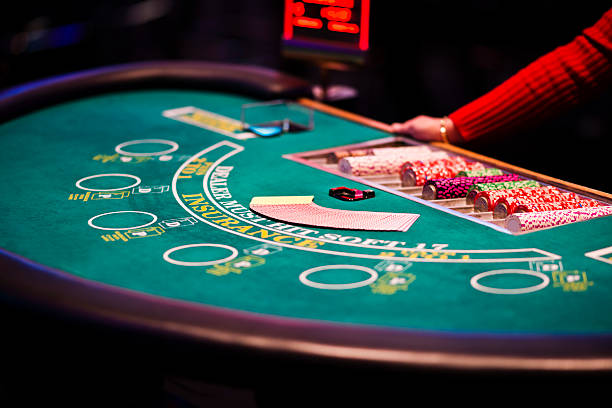
This environmental manipulation extends to ambient sounds and music as well. Casinos often employ sound designers to create a specific auditory landscape that enhances excitement and engagement. The sounds of coins clinking, cheers from nearby winners, and upbeat music all contribute to an atmosphere that supports a state of euphoria, encouraging patrons to continue playing. This multi-sensory bombardment ensures that the casino remains a captivating and compelling environment, deeply influencing patron behavior and making it difficult for individuals to leave without engaging further with the games available.
Emotional Decision-Making and Cognitive Biases
The emotional state of casino patrons greatly influences their decision-making processes. Many individuals approach gambling with an emotional mindset rather than a logical one. This emotional bias can lead to impulsivity, where patrons might wager more than they initially planned. Factors like previous wins, losses, and the excitement of the moment can cloud their judgment, leading to decisions they might reconsider in a more rational context. Understanding this emotional connection is vital for casinos, as it helps them create marketing strategies that resonate with patrons on an emotional level, targeting their desires and fears effectively.
Cognitive biases also play a significant role in how patrons perceive their gambling experiences. For instance, the “gambler’s fallacy” is a common mistake, where individuals believe that past outcomes can influence future results. This fallacy can lead players to make irrational bets based on patterns they perceive but do not exist. As a result, patrons may chase losses or believe they are ‘due’ for a win, leading to increased gambling activity and expenditure. This misjudgment can trap individuals in a cycle of betting that is difficult to escape, often resulting in significant financial losses.
Another cognitive bias affecting casino patrons is the “illusion of control.” Many gamblers believe that their skill or actions can influence the outcome of games that are fundamentally governed by chance. This false belief can drive continued play, even in the face of repeated losses. By fostering a sense of empowerment, casinos can keep patrons engaged longer, capitalizing on this cognitive bias to encourage further investments in their games. The marketing employed by casinos often plays into this illusion, making patrons feel as though their decisions can lead to a favorable outcome, thereby enhancing their overall gambling experience.
The Impact of Social Influence and Peer Pressure
Social influence plays a fundamental role in shaping the habits and choices of casino patrons. People are inherently social creatures, and their behaviors are often influenced by the actions and opinions of others. In a casino environment, the presence of fellow gamblers can affect an individual’s approach to wagering and their overall spending patterns. Seeing peers win big can evoke a sense of FOMO (fear of missing out), prompting individuals to gamble more aggressively, even if it goes against their better judgment. This social pressure can create an environment where individuals feel compelled to participate in games or take larger risks than they would normally consider.
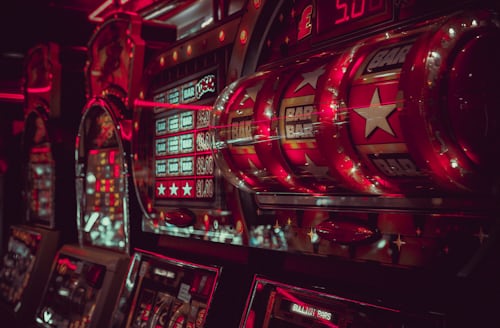
The impact of social dynamics is particularly strong in group settings, where friends or family members may encourage each other to participate in games or to take on larger bets. This group mentality can lead to a sort of collective euphoria, where individuals feel emboldened by the presence of their companions. Casinos often capitalize on this by promoting group games and offering deals that appeal to social gatherings, enhancing the communal experience and boosting overall revenue. This strategy not only increases individual spending but also creates a sense of loyalty among patrons who enjoy the social aspects of their visits.
Additionally, the role of marketing and advertisements cannot be overlooked. Promotions featuring friends celebrating wins create a powerful narrative that taps into social influences and peer validation. When potential patrons see groups of happy, excited individuals enjoying their experience, they are more likely to perceive a visit to the casino as a desirable social outing. This strategy emphasizes the connection between thrill-seeking and social engagement, further solidifying the casino’s role as a modern entertainment venue. By showcasing the communal joys of gambling, casinos effectively reinforce the notion that their establishments are not just about games of chance but also about shared experiences and social bonding.
Your Resource for Insight into Casino Psychology
Understanding the psychology of casino patrons is crucial for anyone interested in the gambling industry, whether for marketing purposes, responsible gambling initiatives, or personal insight. Knowledge of how various psychological factors influence gambling behavior can lead to more effective strategies for both casinos and players. This understanding can enhance the gaming experience while promoting responsible gambling practices and awareness of the potential pitfalls associated with it. By recognizing the psychological triggers that drive gambling behavior, stakeholders can create a more supportive environment for patrons.
As the industry continues to evolve with technology and changing consumer preferences, staying informed about these psychological dynamics is more important than ever. Resources dedicated to exploring the psychological aspects of gambling can provide invaluable insights that help both patrons and operators navigate the complex landscape of gaming and entertainment. By fostering a comprehensive understanding of the behavior of casino patrons, stakeholders can work towards creating a more balanced and enjoyable experience for all. This approach not only benefits the casinos but also promotes healthier gambling habits among patrons.
Ultimately, the intersection of psychology and gambling reveals a fascinating landscape where human behavior is both illuminated and challenged. As casinos strive to create an engaging atmosphere, the onus remains on patrons to navigate their own experiences with awareness and responsibility. Understanding the intricate psychology at play can empower individuals to make informed choices, ensuring that their gambling experiences remain enjoyable and within their control. Through education and awareness, the gambling community can foster an environment that celebrates fun and excitement while prioritizing the well-being of its patrons.
